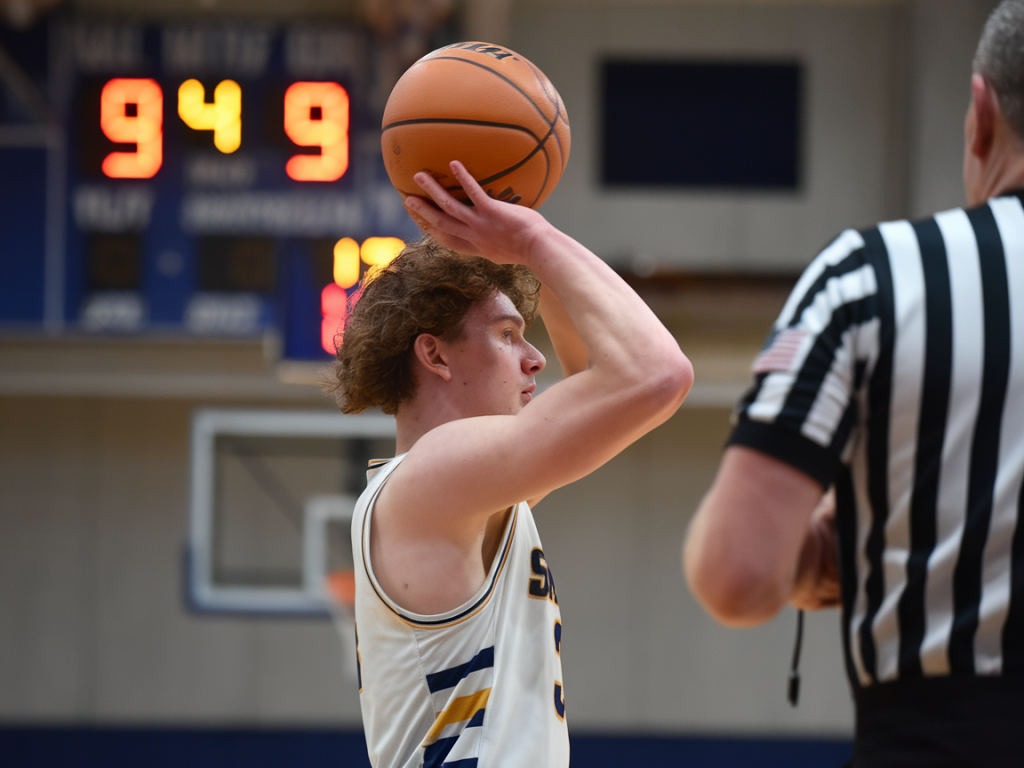
I still remember the moment like it was yesterday: the whole stadium holding its breath, the scoreboard frozen at a number that would crown a champion in minutes, and the pitch erupting — only for the celebration to stop dead because a linesman’s tiny, almost imperceptible movement changed everything. That hidden referee cue didn't just pause the party; it decided the championship. Watching back on the big screen later, everyone saw the technical call. But live? Only a few of us caught the cue that hinted at how the whole thing would end.
The cue nobody expected would be decisive
Here’s the kind of thing that’ll make you feel like you’ve developed a sixth sense for officiating: an assistant referee's subtle flag twitch, followed by a slow, deliberate raise. Not the dramatic, high-velocity flag that screams “offside!” — but a small, precise motion when players are clustered. Referees and assistants get trained to use micro-gestures to avoid confusing the on-field advantage. That tiny twitch meant the assistant had spotted something worth flagging and was making a judgement call about whether to signal immediately or hold for the referee.
In the match I'm talking about, the assistant's initial flag twitch occurred as the striker's toe glanced the through ball. The main referee kept playing the advantage — he must have seen a potential goal — but then the assistant, who'd been sprinting the line and had the best angle, subtly lifted the flag higher. The referee, dealing with the immediate chaos, glanced back toward the assistant, put a hand to his ear, and then blew the whistle. The goal was chalked off. Championship decided.
Why these hidden cues matter more than you think
Most viewers react to the whistle, the VAR screen, or the dramatic TV replay. But professional match officials communicate in silence first. Those micro-cues are designed to be quick, low-noise signals for the referee to process in a split second. If you know what to look for, you can anticipate a decision before the broadcast graphics and pundits catch up. It’s the difference between being surprised by the call and being ready to argue about it on Twitter with context.
How you could have spotted it live — practical tips
If you want to start reading referees like I do, here are concrete, repeatable things to watch during a match. You don’t need a referee’s badge — just focus and a little practice.
Breaking down the broadcast clues
Live TV gives you other advantages if you know how to use them. Broadcasters like Sky Sports, DAZN, and ESPN will go to VAR replays quickly, but there are pre-replay signs you can catch.
What this looks like across sports
These cues are not unique to soccer. I’ve seen the same phenomenon in basketball, rugby, and even esports.
A quick checklist to use the next time you watch a decider live
| Before the incident | Watch assistant lines, positioning of ref, goalkeeper’s body language. |
| During the incident | Look for micro flag movements, referee ear touch, camera cuts to officials. |
| After the incident | Listen for pitch mic shouts, watch the fourth official and VAR monitor angles, note celebratory body language change. |
Why broadcasters and officials do this
Officials use micro-cues to keep the game flowing while retaining control. A raised flag too early kills an advantage; too late and the wrong call stands. Broadcasters follow officials because that’s where the drama is — and the producers want to be the first to explain it to you. Once you start noticing, the choreography of decision-making becomes oddly beautiful: it’s an information exchange disguised as chaos.
So next time you’re watching a title decider and the crowd flips from ecstasy to silence, don’t just look at the scoreboard. Watch the people who aren’t in the highlight package — the assistant at the line, the ref’s shoulder turn, the micro-flick of a flag. Those are the hidden cues that will tell you how the story really ends, sometimes before the VAR booth even buzzes.