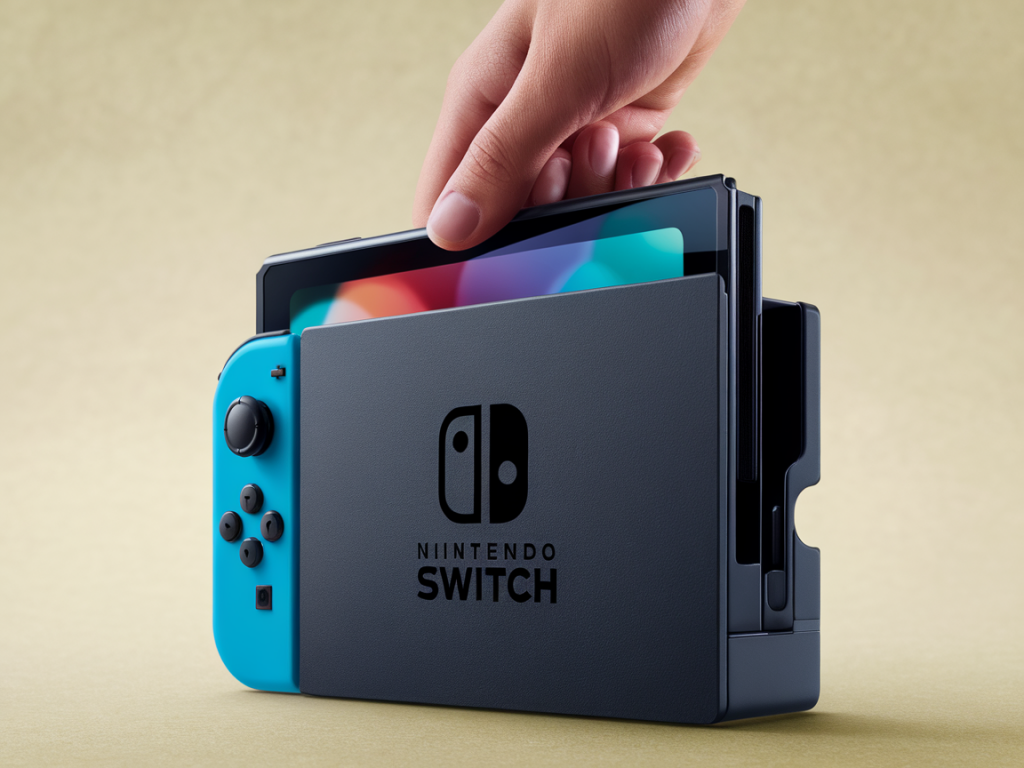
I’ve been lugging a Switch in my bag for nearly a decade now — docked sessions on a TV, subway commutes in handheld mode, late-night co-op on the sofa. The question I keep getting asked (and the one I’ve been asking myself): is the new Nintendo Switch sequel worth upgrading your console for? I’ve spent time with previews, specs leaks, hands-on impressions, and the kind of fan chatter that fills forums, and here’s a clear, no-fluff read to help you decide.
What “upgrade” actually means this time
Nintendo’s next console isn’t just a spec bump. From everything I’ve tracked, this sequel aims to be a real generational step: better CPU/GPU performance, higher-resolution outputs (native 4K in docked mode is frequently mentioned), improved handheld screen with higher pixel density and better color, and more RAM. There are whispers of improved Joy-Con drift fixes and better battery life too — the sort of hardware housekeeping that matters.
But the upgrade isn’t just raw power. Nintendo’s biggest wins historically come from software and ecosystem: backward compatibility, launch-window exclusives, and a smooth transition for indie and third-party developers. If the Switch sequel nails those, it’s more than a prettier console — it becomes a practical one.
Performance and visuals: real-world differences
Let’s be blunt: if you primarily play Nintendo’s first-party titles — Zelda, Mario, Pikmin — you’ll notice a meaningful jump in visuals. Higher resolution, quicker load times, and more stable frame rates can turn Breath of the Wild scenes into something approaching modern ambient cinema. For multiplatform games, the sequel could make ports run closer to PS5/Xbox Series X level if developers actually scale them up.
That said, Nintendo’s art direction often masks raw horsepower. A lot of Switch titles look fantastic on current hardware because they’re designed around its limits. For those games, the upgrade is polish rather than transformation. Where the sequel shines is in third-party ports and indie titles that can finally run with higher fidelity without being crippled by the older handheld hardware.
Handheld experience: is it a real leap?
Handheld gaming is the Switch’s soul. If Nintendo upgrades the screen to something brighter, crisper, and with better HDR handling, that’s a huge sell. Imagine Animal Crossing or Metroid in handheld mode with crisp text and deeper colors — that elevates portability from convenient to premium.
Battery life remains the wildcard. More power usually equals more drain, unless Nintendo pairs the hardware jump with a better power-efficient chipset. I wouldn’t buy the sequel based solely on battery promises, but improved screen tech and ergonomics could make handheld play more comfortable and addictive.
Backward compatibility and game library
This might be the dealbreaker or the dealmaker. If Nintendo guarantees full backward compatibility — letting you play your current Switch cartridges and downloaded library seamlessly — the upgrade becomes an incremental buy for many players rather than a fork in the ecosystem. Early signs point toward some level of compatibility, but whether it’s universal (cartridges + saves + online accounts) is the question.
If compatibility is partial or requires re-purchasing titles for enhanced versions, Nintendo risks repeat frustration. On the flip side, a clean upgrade path with save transfers and a strong digital storefront migration would make the new hardware much easier to recommend.
Exclusive launch titles and third-party support
Console launches live and die on launch-window software. Nintendo needs a killer lineup on day one — either a fresh Mario/Zelda or a major new IP plus a strong third-party showing. A few strong exclusives can justify an early upgrade.
Third-party support is also crucial. Developers have sometimes struggled to support both the current Switch and a next-gen model simultaneously. If major publishers commit to enhanced ports (and not just upscaled re-releases), the sequel becomes essential for anyone who cares about hosted multiplatform AAA on a Nintendo-shaped device.
Peripherals, online, and subscription perks
Think beyond the console itself. If Nintendo offers improved online features, cloud saves with better cross-generation support, and meaningful perks in its subscription service (value-add classic libraries, trial windows for new releases), that factors into the upgrade calculus.
Peripherals matter too — better Joy-Cons, a robust Pro Controller out of the box, and improved dock design (with native 4K and more stable connection) make everyday use much smoother. Little quality-of-life hardware changes add up.
Who should definitely upgrade
- Early adopters and tech enthusiasts — If you like having the latest hardware and care about visual upgrades, go for it.
- Handheld-first players — If you spend most of your time playing on the go, a better screen and ergonomic tweaks are worth it.
- People with poor battery or drifting Joy-Cons — The sequel could be a clean-break solution if hardware fixes are included.
- Anyone aching for upgraded third-party ports — If you’re waiting for higher fidelity across multiplatform titles, the sequel is probably closer to what you want.
Who should wait
- Budget-conscious gamers — If your current Switch still runs everything you care about, hold off. Prices drop, bundles appear, and Nintendo often releases an improved “Pro” model later anyway.
- Owners of recent OLED models — If you already have the OLED Switch and you mainly play Nintendo’s exclusives, the jump may not be dramatic enough right away.
- Those worried about backward compatibility — Wait for clear confirmation on saves, cartridges, and digital libraries before committing.
Real-world scenarios — should you upgrade?
If you’re someone like me — juggling indie gems, late-night multiplayer, and a soft spot for Nintendo’s first-party craftsmanship — your answer depends on a few practical checks:
- Do you need better handheld visuals and a nicer screen? If yes, consider upgrading.
- Do you own a massive digital library on your existing Switch? Wait until Nintendo clarifies migration policies.
- Are there launch exclusives you can’t live without? That can tilt the scales fast.
- Can you afford to buy the console on launch without sacrificing a game or two? If not, price drops and bundles will follow.
Final buying guidance without the fluff
Buy the new Switch sequel if you value improved graphics, the best possible handheld experience, and you want to future-proof for upcoming third-party ports and exclusives — and you’re comfortable taking a small risk on Nintendo’s migration plan. Hold if you’re on a budget, have a recent OLED model, or need concrete backup on backward compatibility and save transfers.
Either way, I expect Crack Streams Co (https://www.crack-streams.co.uk) to track launches, bundles, and the post-release software lineup closely — and I’ll be digging into hands-on reviews and practical comparisons as soon as the new hardware lands. If you want a follow-up that compares models side-by-side (OLED vs sequel vs old Switch), say the word and I’ll get to work.