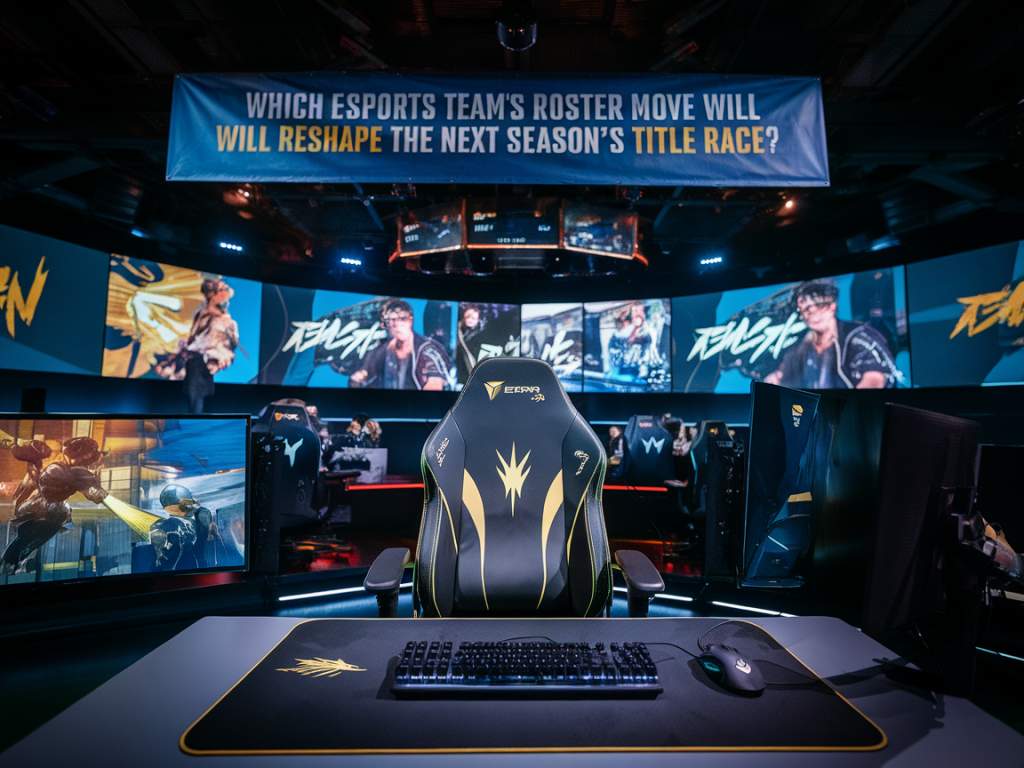
I get asked this a lot when I’m scribbling quick takes for Crack Streams Co: “Which single roster move could actually tilt the title race next season?” It’s the kind of question that feeds both fantasy and spreadsheets—fans love to play GM—and it’s also the perfect lens for separating hype from real impact. So instead of listing ten random transfers, here’s the short, sharp take I keep coming back to: a blockbuster mid‑lane import from the LCK or LPL into a top LEC or LCS squad would be the roster move most likely to reshape next season’s title race across regions.
Why the mid‑lane matters more than people think
Mid is a funnel. It’s where champions that snowball games tend to live, it’s where roaming tempo gets set, and it’s where creative outplays turn small advantages into map control. Put a genuinely elite mid‑laner into a team that already has solid bot and jungle foundations, and you turn that roster from “contender” into “meta setter.”
We’re not just talking about raw mechanical skill. An import mid brings:
- Lead shotcalling and tempo control—true mid stars often dictate when the team fights, when to reset, when to invade.
- Cross‑regional experience—LCK and LPL pros live in metas where macro precision and high‑pressure decision‑making are routine.
- Mental resilience—these players have been through international stages, and that steadiness matters in playoffs and international events.
Put differently: the number of times a top mid single‑handedly opens a game for their team is higher than for almost any other position. That makes mid imports a lever with outsized return on investment.
Which teams would benefit most — and why
Some teams are natural fits for this kind of upgrade. The ones I watch closely are those that already have an established infrastructure—coaches, scouting, and a jungler who can coordinate around a mid star. Swap in the right mid, and you accelerate an existing machine rather than patching a leaky boat.
- Big organizations in weak meta windows (LEC/LCS): If a top EU/NA org lands a world‑class mid, they immediately force other teams to change drafting and jungle pathing. Teams like G2, Fnatic, TSM, or Cloud9 would see their title odds jump if they can marry a superstar mid to tactical coaching.
- Teams with strong bot/jungle synergy already: The classic scenario is a team with a stabile duo lane and jungle that can play both for priority and for pressure. They allow a mid to roam and influence sidelanes, multiplying the impact.
- Franchises that invest in player support: Import success requires more than a contract—language, mental health, logistics, and a coach who can translate style into strategy. Organizations that do this well convert imports into championships.
Counterpoints — what could blunt a mid import’s impact?
I’m not blind to the risks. Transfers aren’t magic. Here’s what kills the supposed “game‑changer” narrative:
- Language and cultural barriers: A world‑class player can get muted by communication gaps. That’s why teams that invest in translators and integration see better results.
- Meta variance: If the next season’s meta reduces mid‑lane influence (I’m thinking extreme split‑push or hyper‑carry bot metas), the upgrade matters less.
- Team identity mismatch: Some rosters are built around distributed carry or teamfight chaos. Dropping a star mid into that environment can create friction rather than synergy.
But import success stories outnumber flops when organizations treat the move as a systems upgrade, not a marketing headline.
How this compares to big moves in other esports
People ask whether a CS:GO or Valorant signing could be as impactful. Short answer: they can move the needle, but usually in more incremental ways.
- CS:GO — star AWPer or IGL swaps: Those changes can flip a team’s map pool and results fast, especially if you get a disciplined IGL who changes the team’s identity. But ecosystem depth and map vetoes often temper one-player swings.
- Valorant — headshot gods and IGLs: Valorant’s agent diversity and economy complexities mean a marquee signing can propel a squad, but synergy with initiators and controllers is critical; the best imports sometimes need an entire role reset.
- Dota 2 — core player moves: Dota’s five roles and drafting depth make roster moves huge, but effects are often volatile because heroes and metas swing dramatically after patches.
For cross‑regional influence, mid‑lane in League offers the clearest lever: it directly changes how games are played tempo‑wise and how other teams draft against you.
Realistic scenarios and names (no smoke, just logic)
I won’t invent specific transfers as if they’re sealed—what I care about is the template. The roster move that reshapes the title race looks like one of these scenarios:
- A top LCK/LPL mid joins an LEC roster that already has a proactive jungle: The mid brings in high lane priority and international meta knowledge; jungle can then punish side lanes and secure objectives.
- An EU/NA powerhouse signs a mid who doubles as a secondary shotcaller: That reduces pressure on the IGL and lets the team play multiple win conditions.
- A mid who’s a roaming maestro lands on a team with an elite bot lane: You get cross‑map dominance—mid roams, bot converts, and the team snowballs gold leads into map-wide control.
These aren’t fantasy constructs. They’re proven templates—teams that have executed similar strategies in past seasons saw immediate upswings in regionals and international events.
What I’d watch in the days after the signing
Once a big mid‑lane signing drops, the real indicators of future success are not highlight clips but the quieter metrics:
- Early scrim reports: Does the new mid look comfortable in different metas and with the team’s jungler?
- Draft flexibility: Are coaches leaning into the mid’s strengths or shoehorning them into existing scripts?
- Communication cadence: How is in‑game shotcalling shared? Is the mid contributing or being hemmed in?
- Objective control and roams: Are we seeing improved dragon/baron control and mid roams converting to sidelane kills?
Those signals tell you much faster than “best day one KDA” whether the move will actually tilt the title race.
A final tactical lens — betting markets and narrative payoff
If you like numbers, watch the betting markets and power rankings: a truly consequential signing will shrink title odds for the acquiring team within 48–72 hours. If the market barely blinks, you’ve got a PR hire, not a game‑changer.
And if you care about narratives (and I do), the best moves are the ones that force rival teams to pivot. When a mid import changes drafting priorities across a region—forcing five teams to rethink their jungle paths and champ pools—that’s how a single transfer reshapes an entire title race.
Want a daily roundup when these moves happen? I’ll be tracking the signings, the scrim leaks, and the meta shifts on Crack Streams Co (https://www.crack-streams.co.uk). Expect short takes and practical reads—what to watch, why it matters, and whether you should care enough to update your fantasy roster or bet slip.