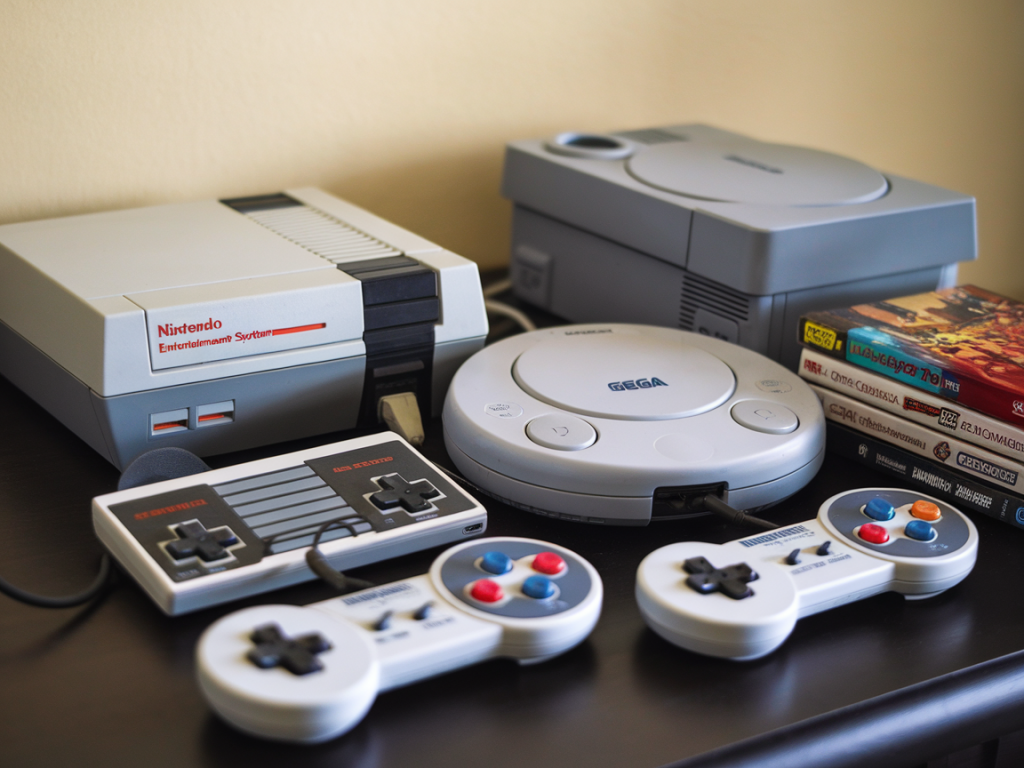
I’ve owned more retro console reissues than I care to admit. Some live permanently on my shelf and get plugged in at least once a month; others gathered dust after the novelty wore off. If you’re thinking about carving out the precious storage space (and mental real estate) for one of these boxes, here’s a practical, no-nonsense guide to which reissues are actually worth the footprint and which you can safely skip.
Why even consider a reissue?
Reissues promise easy nostalgia: HDMI out, modern controllers, a curated library of classics, and — supposedly — zero fuss. For many of us, that beats the mess of original hardware, adapters, and swapping old cartridges or discs. But reissues aren’t all created equal. Some capture the original experience with thoughtful modern conveniences; others feel like a lazy cash-in with a handful of polished hits and a lot of compromise.
When I decide whether a reissue deserves shelf space, I look at a few practical things: software library quality, controller feel, hardware fidelity (input lag, video output), extras like save states and rewind, and future-proofing/modability. I’ll walk you through the ones I’d buy again and the ones I’d leave for a bargain bin—or skip entirely.
Reissues worth the storage space
These are consoles I’d happily keep plugged in or stashed within easy reach. They either nail the gameplay feel, offer a stellar library, or provide real convenience that justifies their existence.
The SNES Classic is the textbook example of a reissue done right. The emulation is clean, the library includes many must-play titles (Super Mario World, Chrono Trigger, EarthBound), and the controllers actually feel like SNES pads. Save states and rewind work well, and the whole package is a solid retro living-room experience without tinkering. If you want instant access to the golden age of 16-bit JRPGs and platformers, this is the one to keep.
Short on storage and can only have one? The NES Classic is compact, nostalgic, and surprisingly addictive. It’s limited by 8-bit hardware, so there’s less to go wrong, and the library of essential first-party Nintendo titles is strong. The controller cord length is annoyingly short, but that’s a small price for the faithful emulation and plug-and-play simplicity.
Sega’s reissue is a pleasant surprise. The controller feels good, the sound emulation is solid (Megadrive music still slaps), and the included lineup covers platformers, fighters and obscure gems like Gunstar Heroes. If you’re into fast arcade-style gameplay and want a system that complements a Nintendo reissue—this earns its shelf space.
This one’s a higher-end option and not strictly a “mini” reissue, but the Analogue Pocket with a dock is worth the investment if you care about preservation-quality handheld play. It plays original Game Boy cartridges natively with top-tier FPGA-based hardware, which means near-perfect timing and video fidelity. Add a dock for HDMI output and you’ve got a modern solution to enjoy your physical cartridges without tearing up the originals. It’s pricey and a little larger, but if authenticity matters, it’s a keeper.
Not a traditional reissue, but Evercade deserves mention for its cartridge-based modern retro approach. It’s great for collectors who appreciate curated compilations from licensed publishers. The hardware is lightweight, the menu is simple, and the cartridge format adds a tactile, collectible element that’s rare in reissues. If you like owning physical collections without digging out a 30-year-old console, Evercade earns a spot.
Reissues I’d skip or be cautious about
Some reissues feel like missed opportunities. They’ll look cute on a shelf and make for a viral unboxing video, but they won’t get much play after the first week.
This is the poster child for “skip it.” The PS Classic launched with poor emulation, odd game choices, and wonky performance on many titles. While it’s had community efforts to improve things (hacks and custom firmware), out of the box it’s underwhelming. If you want original PlayStation games, invest in a used PS1/PS2 or go the emulation route on a proper device rather than crowning the PS Classic as a permanent shelf fixture.
The Atari VCS is a half-baked attempt to be both a retro console and a PC. It’s pricey for what it is, and the promised retro charm gets lost in poor execution and a muddy identity. If you want Atari classics, cheap clones and emulation boxes do a better job; if you want a small PC, get a small PC. This one tries to be both and ends up stretching storage space for little reward.
There are dozens of no-name mini consoles at flea markets that claim hundreds of games. They’ll satisfy a quick hit of nostalgia, but the emulation is usually sloppy, save functionality is absent, and controller responsiveness is questionable. They’re fun as novelty gifts, not as devices worthy of permanent shelf space.
How to decide what belongs on your shelf
Here’s how I think about the decision, broken down into quick criteria you can apply in your own apartment or man-cave:
If you want pixel-perfect timing and original cartridges, look at FPGA options (Analogue) or keep the originals. If you want easy, no-fuss play with modern conveniences, go for the Nintendo mini consoles or Sega’s reissue.
Some reissues are plug-and-play; others require firmware updates, hacks or external mods to be playable. I’ll keep consoles that work out of the box. If you’re a tinkerer, the mod-friendly ones might appeal—but that’s a different kind of ownership.
Curated lineups (SNES Classic) force a best-of selection and offer a ready-made highlights reel. Open libraries (PlayStation-era emulators, Analogue with original carts) give breadth but require you to know what you want and hunt for it.
Space is finite. Minis and handheld reissues are easy to store; docks and larger retro PCs demand shelf or cabinet space. Personally, if a device takes up a whole shelf but I use it weekly, it’s earned the spot. If it’s just for Instagram photos, it’s going to the giveaway pile.
Quick comparison table
| Console | Why keep it | Why skip |
|---|---|---|
| SNES Classic | Great library, solid emulation, controllers feel right | Limited to pre-selected games |
| NES Classic | Compact, essential Nintendo lineup, plug-and-play | Short controllers, limited to 8-bit library |
| Sega Genesis Mini | Great arcade-leaning library, good controller | Some regional/missing oddities |
| Analogue Pocket + Dock | Top-tier authenticity, plays original cartridges | Expensive, larger footprint |
| PlayStation Classic | Cheap, nostalgic look | Poor emulation, bad game selection |
For different kinds of buyers
If you’re the casual nostalgia dipper: pick one high-quality, low-fuss unit like the SNES Classic. It gives big returns for minimal effort.
If you’re a preservationist or collector: invest in Analogue hardware or keep originals. The cost is higher, but the authenticity pays off over decades.
If you want variety and collectability without the clutter of originals: Evercade and curated minis are a nice compromise—physical presence without a box full of cartridges and cords.
In short: keep the reissues that make you play more and complain less. Skip the ones that look good in a product photo but don’t survive a month of real-world use. Your storage — and your weekends — will thank you.