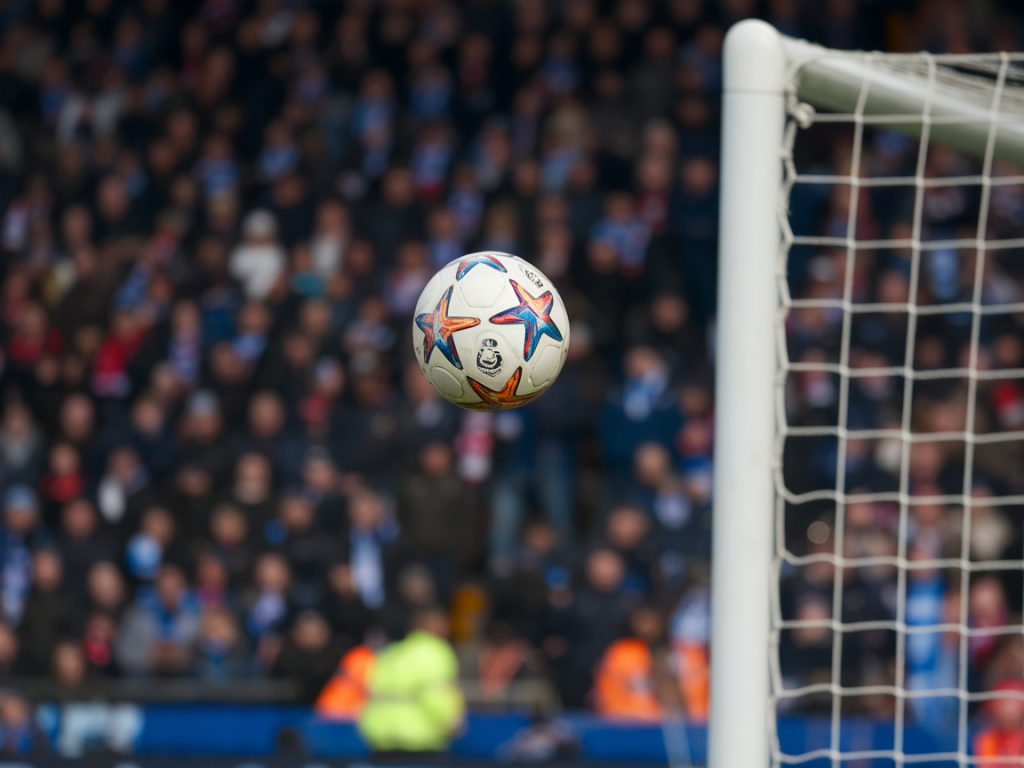
I’ll be blunt: Twitter (sorry, X) is where sports moments go to die a slow, viral death — or where the next fake highlight gets born. As someone who lives and breathes quick takes, I’ve developed a muscle for spotting when a match-winning goal is the real deal and when it’s been subtly (or not so subtly) toyed with by AI. If you want a checklist you can run through in under 10 seconds the next time a jaw‑dropping finish pops up, here’s what I look for — and why it matters.
First 0–2 seconds: source and context
The fastest giveaway is the source. Whoever uploads the clip matters more than the pixels.
Check who posted it — official league accounts, clubs, or verified broadcasters? If yes, relax a little. If it’s from a random fan account with 3 followers and 6,000 retweets, proceed with suspicion.Look for the timestamp and accompanying text. Is this "live" or "just happened"? Fake clips are often reposted later without context or with dramatic language like “UNBELIEVABLE GOAL!”Scan the reply thread fast. Journalists, optics nerds, or TV feed rips often call out fakes quickly. If a couple of verified reporters question it, that’s a red flag.2–4 seconds: broadcast graphics and overlays
Broadcast overlays are easy to fake poorly.
Do the scoreboard, timer, and channel logo look consistent with the rest of the feed? Fonts, placements, and colors vary by broadcaster — if they’re off, that’s a clue.Check the clock. If the moment supposedly happened at 90+6 but the clock resets oddly or uses two different styles in two cuts, someone likely stitched things together.Watermarks matter. Official feeds usually have clean, stable logos; shaky or semi-transparent overlays can indicate an edited composite.4–6 seconds: physics and body language
This is where my storyteller brain kicks in. AI can cook up visuals, but it still struggles with consistent, realistic motion and subtle behaviors.
Follow the ball. Does its motion obey physical rules — arc, spin, bounce? AI models sometimes produce unnatural trajectories (sudden direction changes, unrealistic loft or glide) or inconsistent lighting on the ball.Watch the shooter’s follow-through and the goalkeeper’s reaction. Human bodies have micro-behaviors: delayed reaches, slight stumbles, eyes tracking the ball. If reactions are oddly delayed or too perfectly choreographed, alarm bells.Crowd reaction timing is huge. A genuine crowd explodes after the ball crosses the line — not before. If the crowd erupts a beat too early, that’s a digital stitch.6–8 seconds: visual artifacts and lighting
AI generation and cheap edits almost always leave traces in the pixels.
Look for odd blurring or smearing around fast-moving objects — especially at frame edges. AI interpolation or upscaling (Topaz, waifu2x) can create smeared limbs or duplicated pixels.Shadow consistency matters. Is the ball’s shadow aligned with other shadows on the pitch and players? Inconsistent lighting is a dead giveaway.Edges around hair, jerseys, and the ball can look too smooth or too jagged. Zoom in with your thumb on a mobile screen if you have to — compression will hide flaws, but uneven edges often show up.8–10 seconds: audio and metadata
Don’t ignore sound. Even without downloading the file, you can get clues.
Does the audio match the video? A goal with ambient crowd noise that doesn’t ramp up or lacks commentator excitement is suspicious. Conversely, a perfectly mixed crowd roar that starts before the ball hits the net is suspicious too.Check the uploader’s history quickly. Do they often post dubious clips or deepfakes? A pattern of viral fakes should make you skeptical instantly.If you can, tap to view details or open in a browser and use a quick reverse‑video search (InVID/WeVerify tools compress this into a few seconds). Finding previous instances of the same clip, or a broadcast rip, is the simplest way to confirm authenticity.Extra quick rules I live by
If it’s too perfect, it probably isn’t. AI tends to create cinematic, perfectly framed moments that real life rarely delivers.Compare reaction angles. Real goals get captured by multiple cameras — look for other angles cropping up. If there’s only one hero shot and it’s suspicious, that’s a red flag.Take the “viral math” test: highly improbable outcomes combined with poor sourcing and cinematic edits = likely fake.Tools I use when I’ve got an extra 30–60 seconds
When I don’t need to publish immediately, a few free tools cut through the noise.
InVID/WeVerify — fast frame-by-frame analysis and reverse search of keyframes.Amnesty’s YouTube DataViewer — helps confirm upload times and origins of videos hosted elsewhere.Forensically or FotoForensics — lightweight checks for cloned regions or tampering clues in still frames.FFprobe/ffmpeg (for power users) — metadata reading can reveal transcoding chains and suspicious processing flags.Brands and quick pro tips
Some commercial tools are worthy mentions if you’re a newsroom or a heavy user: Adobe’s video tools now include frame analyses that can expose inconsistencies, and services like Serelay aim to certify visual authenticity at capture time. But you don’t need them to call most fakes — common sense and a rapid checklist will get you 80% of the way there.
Final quick trick: cultivate the habit of waiting 60–120 seconds before retweeting. The internet moves fast, but fact-checkers and broadcasters move faster than you think. Most fakes and AI-stitched goals get debunked within minutes by someone with a clip from the official feed or a line-by-line broadcast comparison.